
Blog
The Teacher Isn't Following the IEP: How to Legally Enforce Accommodations
The Teacher Isn't Following the IEP: How to Legally Enforce Accommodations

504 Plan vs. IEP for ADHD: Which Document Actually Protects Your Child?
504 Plan vs. IEP for ADHD: Which Document Actually Protects Your Child?
Getting an ADHD diagnosis for your child often comes with a strange kind of relief, followed almost immediately by a new question: now what actually happens at school? The paperwork and acronyms that follow can feel like their own separate challenge on top of everything else you're already managing, especially when well-meaning people keep using the two terms interchangeably.

Bullying as a Denial of FAPE: Documenting Harassment the School Ignored Despite Repeated Reports
Bullying as a Denial of FAPE: Documenting Harassment the School Ignored Despite Repeated Reports
Every child deserves to attend school in an environment where they can learn without fear of harassment. For students with disabilities, bullying can affect far more than emotional well-being. It can interfere with classroom participation, attendance, academic progress, and the ability to receive the educational services they need.
Private School Placement at Public Expense: Meeting the Two-Prong Test Most Hearing Officers Still Get Wrong
Private School Placement at Public Expense: Meeting the Two-Prong Test Most Hearing Officers Still Get Wrong
When a child with a disability isn't making meaningful educational progress, parents often begin looking at other options. For some families, a private school offers services, instruction, or support that better meets their child's needs.

Disciplinary Transfers to Alternative Schools: Keeping the Original IEP Intact During the Placement
Disciplinary Transfers to Alternative Schools: Keeping the Original IEP Intact During the Placement
Discovering that your child faces removal from their regular classroom is a devastating blow. When that removal involves a forced transfer to an alternative educational setting due to disciplinary infractions, the stress can feel incredibly stressful. For families of children with special needs, this situation induces a unique brand of panic.

Transition Services After Age 16: Suing When the IEP Contains Zero Measurable Postsecondary Goals
Transition Services After Age 16: Suing When the IEP Contains Zero Measurable Postsecondary Goals
Discovering that your teenager is approaching adulthood without a viable plan for the future is a heartbreaking realization for any parent. When your child has special needs, that anxiety multiplies tenfold. You watch the high school years slip away, worrying about how they’ll earn a living, where they’ll live, and who will support them when they’re on their own.

How Courts Interpret “Meaningful Progress” When the District Claims Straight C’s Are Enough
How Courts Interpret “Meaningful Progress” When the District Claims Straight C’s Are Enough
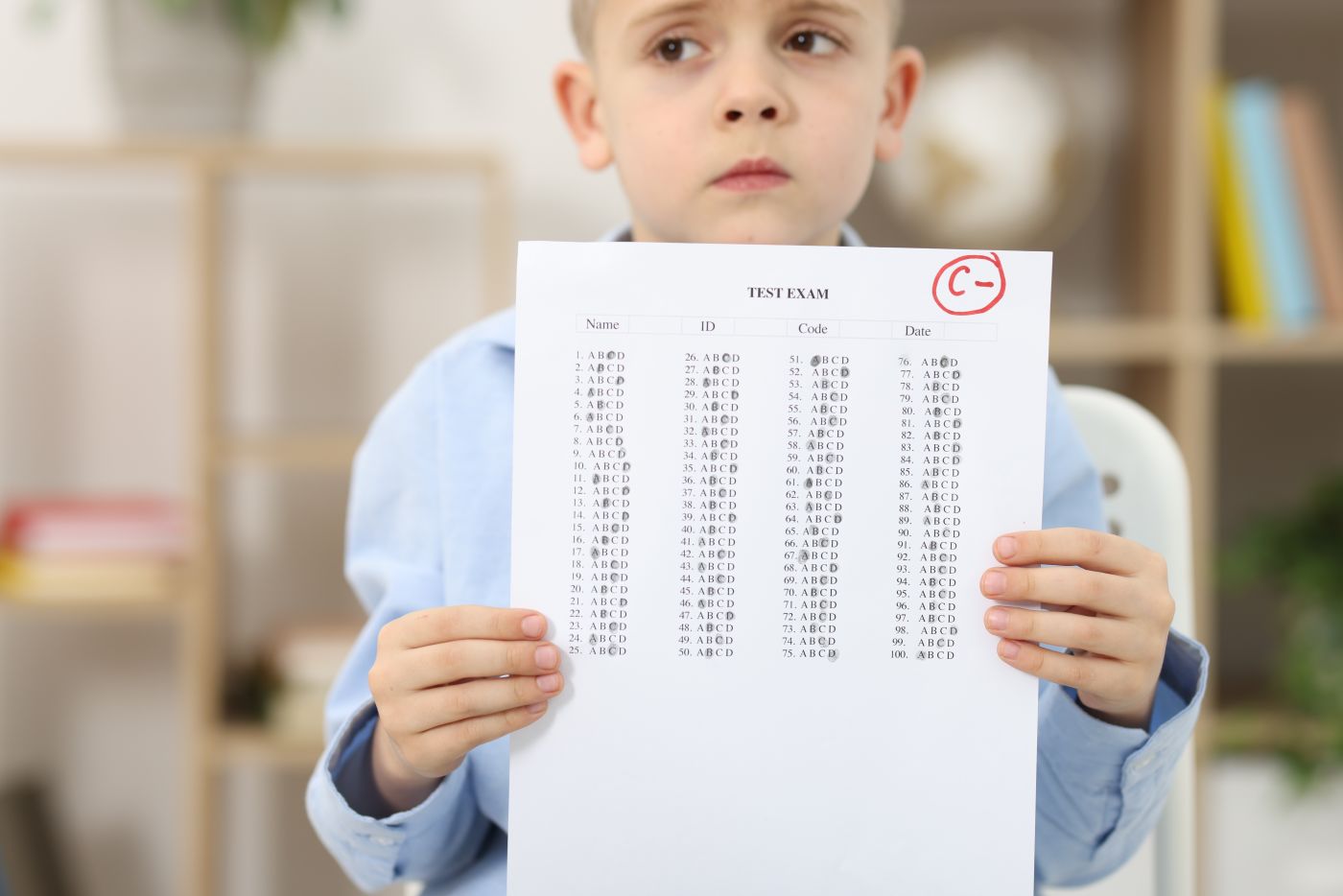
Watching your child struggle in school while their unique learning needs go unmet is a heartbreaking experience for any parent. You attend endless school meetings, read through thick reports, and voice your concerns, only to be brushed aside by administrators who point to passing marks as proof of success.
School Refusal and Anxiety Disorders: When Chronic Absenteeism Becomes the District’s Failure to Provide FAPE
School Refusal and Anxiety Disorders: When Chronic Absenteeism Becomes the District’s Failure to Provide FAPE
Waking up every single morning to face a battle over going to school takes a devastating emotional toll on your entire household. You watch your child melt down in absolute panic, complaining of severe physical pain like headaches or nausea, completely paralyzed by the thought of stepping foot inside the school building.

Dyslexia Evaluations Denied by the District: Forcing an Independent Educational Evaluation at Public Expense
Dyslexia Evaluations Denied by the District: Forcing an Independent Educational Evaluation at Public Expense
When your child struggles with reading, writing, or processing information, it can be an overwhelming experience. Dyslexia is more than a challenge with letters—it can affect self-esteem, academic growth, and emotional well-being.

School Suspensions Over 10 Days: Triggering Stay-Put Rights Most Parents Never Invoke
School Suspensions Over 10 Days: Triggering Stay-Put Rights Most Parents Never Invoke
When your child is facing a long-term suspension, it can feel like everything is spiraling at once. You could be worried about their education, their future, and whether the school is treating them fairly.